Gold Coins vs Gold Bars: Which Suits a Houston Buyer
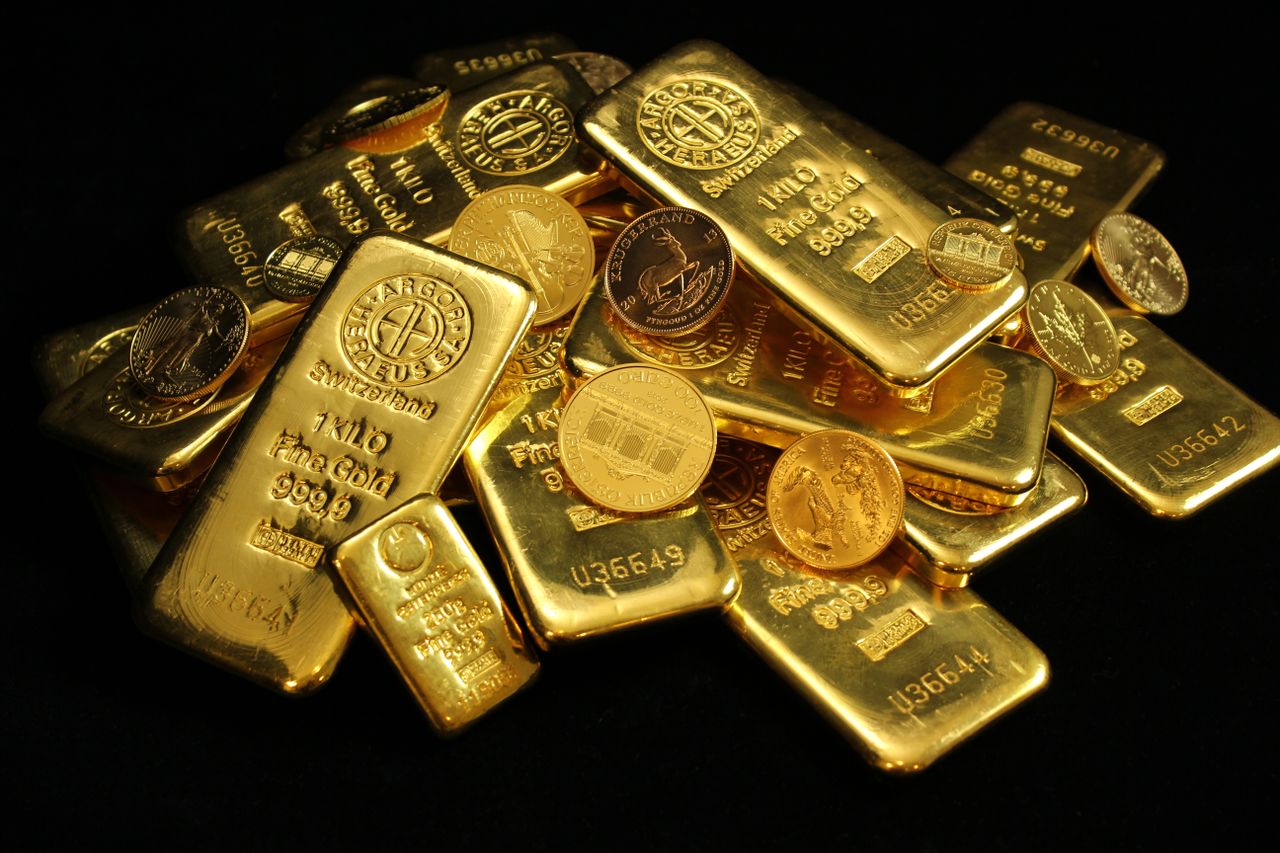
A Houston buyer choosing between gold coins and gold bars is really choosing between flexibility and efficiency. Coins sell in small, familiar units and are easy to resell. Bars carry a lower cost over spot per ounce once they get larger, but they are harder to divide. Most local buyers end up holding some of each, and the right mix depends on how much you plan to hold and how soon you might sell.
What separates a coin from a bar
A gold bullion coin is minted by a government. It carries a face value, a fixed weight, a stated purity and a design that is tough to copy. The face value is symbolic. What you pay is tied to the gold content plus a dealer margin. A bar is poured or stamped by a refiner or mint, and its value is almost entirely its metal. Bars come in sizes from a single gram up to a kilo and beyond, and the refiner's stamp, serial number and assay mark do the job a coin's design does.
Both are bullion. Neither carries the collectible value of a rare numismatic piece, and a plain bullion item should be priced close to its metal content. If a seller leans on rarity or "limited" status to justify a high margin, slow down and ask what you are paying for beyond the gold itself.
Why many buyers in Houston start with coins
Coins are recognised almost everywhere. A dealer in Houston, Dallas or another state will know a one ounce government coin at a glance, and that recognition shortens the time it takes to turn it back into cash. The weight and purity are printed on the piece, and the design is hard to fake without specialist equipment, so a quick visual and weight check does a lot of the work.
Coins also divide well. If you hold ten one ounce coins and need to raise money, you can sell two and keep eight. With a single large bar, you sell all of it or you pay to have it broken down. For a buyer who wants the option to sell in stages, that difference matters more than a slightly lower margin.
The trade-off is that the margin over the metal value is usually higher per ounce on coins, especially on small fractional sizes. A tenth ounce coin costs more per ounce of gold than a one ounce coin, because the mint and the dealer charge roughly the same fixed handling no matter how little gold is inside. Fractional coins suit gifts and small, regular purchases. They are a poor way to hold a large amount.
Where bars make sense
Bars shine when the amount is larger and you do not expect to sell in small pieces. The margin per ounce falls as the bar gets heavier, because the fixed costs are spread over more gold. A buyer who has decided to commit a meaningful sum to physical gold and hold it for years often finds that a few larger bars give more metal for the same money than the equivalent number of coins.
Bars are also compact. A kilo bar holds a lot of value in a small space, which helps if you plan to store gold in a safe or a depository rather than at home. Stacking and counting are simple, and the serial number gives you a clean record for inventory and insurance.
The downsides are real. A larger bar is less liquid on short notice, because fewer buyers want to take a big piece in one transaction, and some will test or assay it before they pay. A bar from a lesser known refiner can face extra scrutiny when you sell. Stay with bars from refiners and mints that dealers already know, and keep the original packaging and assay card where one came with it.
Checking authenticity before you pay
Counterfeit bullion exists, and the checks are the same whether you are buying a coin or a bar. Weigh the item on a scale that is accurate to a hundredth of a gram and compare the result with the stated weight. Measure the diameter and thickness of a coin against the mint's published specifications. Look closely at the edge, the lettering and the surface under good light. Poor detail, a fuzzy edge or an odd finish are warning signs.
A reputable dealer will explain how they screen what they sell and will let you inspect the item before you complete the purchase. Ask for a written receipt that lists the product, the weight, the purity and the date. For bars, check that the serial number on the bar matches the number on the assay card. Be careful with private sales and online listings from sellers you cannot verify, because the savings rarely justify the added risk.
Thinking about resale from day one
The time to think about selling is before you buy. Gold is a store of value, and you will pay a spread when you buy and give up a spread when you sell. Ask any dealer you are considering two questions: what do you charge to sell me this item, and what would you pay to buy it back today? The gap between the two is the real cost of owning it, and it differs between products.
Widely traded one ounce coins tend to have the tightest spreads in the market, which is another reason they are a common first purchase. Larger bars from well known refiners also trade tightly. Unusual designs, odd sizes and novelty items tend to have wider spreads and fewer buyers. Keep your purchases to standard products and you keep your exit simple.
Texas details worth knowing
Texas has favourable treatment of precious metals purchases. State sales tax rules have exempted sales of monetary gold and silver bullion and coins, and the state has also set up its own bullion depository. Rules can change and apply in specific ways, so confirm the current treatment of your purchase with the dealer and with the Texas Comptroller before you rely on it. Keep every receipt, because you will want the purchase date and amount if you ever sell at a gain and need to report it.
Also think about delivery. Many Houston buyers prefer to collect in person and inspect the item at the counter. If you are shipping, insist on tracked, insured delivery, and open the package on camera so any problem is documented the moment you find it.
A simple way to decide
- If you want easy resale in small steps, favour one ounce government coins.
- If you are committing a larger sum for the long term and want the lowest margin per ounce, favour bars from known refiners.
- If you want gifts or small regular purchases, fractional coins work, but accept the higher cost per ounce.
- If you cannot decide, split the purchase between coins and a moderate sized bar, so you have both liquidity and efficiency.
Whatever you choose, buy from a dealer who shows you the buy and sell prices openly, explains the margin without pressure and puts everything in writing. A clear, boring transaction is a good sign in this market. A buyer who understands the differences between coins and bars is in a much stronger position to hold gold calmly and to sell it when the time comes.