Gold Dealer Premiums and Spreads Explained for Houston Buyers
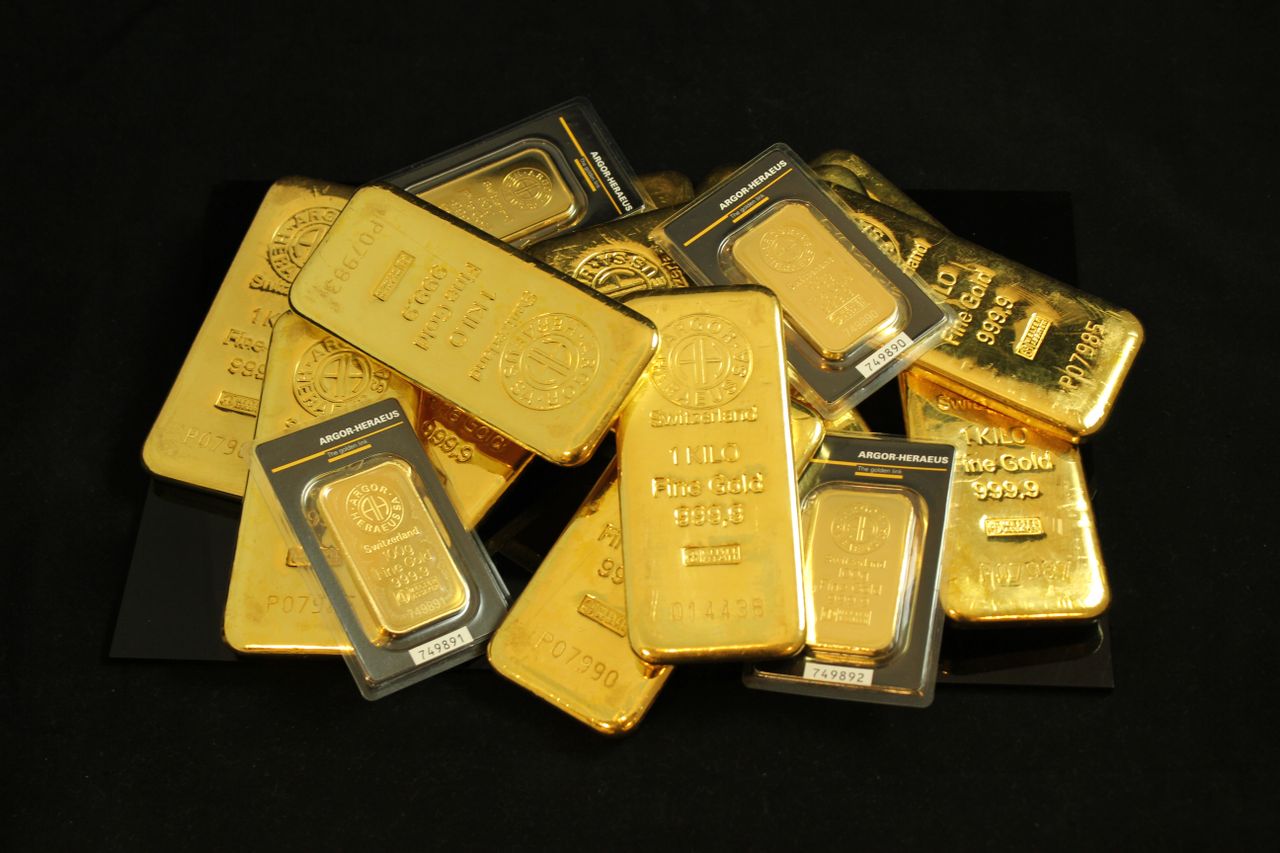
The premium is what you pay above the gold price for the physical metal, and the spread is the gap between what a dealer sells it for and what the dealer will pay to buy it back. Together they make up the true cost of owning bullion. A Houston buyer who understands both can compare quotes fairly, avoid overpaying and know in advance how much the market has to move before a purchase breaks even.
Spot price is a reference, not a shelf price
The spot price is the going rate for gold traded in large wholesale quantities. It moves through the day and it is the number every dealer starts from. You cannot walk into a shop and buy a single ounce at spot, and a dealer cannot sell you one at spot and stay in business. Minting, refining, shipping, insurance, storage, staff and the risk of holding stock all have to be paid for, and they are paid for through the premium.
That is why two dealers can quote different totals for the same coin on the same morning. Each has different costs, a different supply of stock and a different appetite for selling versus buying. The spot price is the same. The premium is where they differ.
What goes into a premium
Several things set the premium on a given item. The first is the cost of making it. A government mint or refiner charges a fabrication fee, and that fee is a bigger share of the price on a small item than on a large one. The second is demand. When many people want a particular coin at once, premiums rise, and when interest cools they fall. The third is availability, because a product that is hard to source costs more to supply. The fourth is the dealer's own margin, which pays for the business to operate.
Size matters a great deal. A one gram bar can carry a premium many times larger in percentage terms than a one kilo bar, because the fixed costs of making and handling it are almost the same. The same pattern holds for coins. A fractional coin costs more per ounce of gold than a full ounce coin. If your priority is the lowest cost per ounce, larger and more standard products win.
The spread is the number that decides your exit
Most buyers focus on the price they pay and forget the price they would receive. The spread is the difference between the two. If a dealer sells you a coin at one figure and would buy the same coin back at a lower figure, that gap is the cost of a round trip, and the gold price has to rise by at least that much before you are even.
A narrow spread is a sign of a liquid product and a competitive dealer. A wide spread usually points to a product few people want to buy back, or a dealer who makes most of the profit on the way out. Always ask for both numbers before you decide. A dealer who is happy to say what they will pay today, in writing, is showing you that the exit is real and not an afterthought.
How to compare quotes properly
Compare the total, not the headline. Ask each dealer for the full out the door cost of the same product, in the same quantity, with the same payment method. Payment method often changes the price, because card and wire payments cost the dealer money and cash and bank transfer cost less. Ask about shipping, insurance, handling fees and any minimum order. A low advertised premium can be erased by fees added at checkout.
Compare like with like. A one ounce government coin is not the same product as a one ounce private mint round, and the buy back terms are not the same either. Compare the exact product, the exact weight and the exact condition, and compare the buy back figure alongside the sell figure. Write the quotes down so you can see them side by side, and take a moment before you act on any of them.
Warning signs in a quote
- A price that is far below every other quote. Gold has a floor set by the metal itself, so a very cheap offer usually hides a problem with the product or the delivery.
- A dealer who pushes rare or limited items when you asked for plain bullion. Collectible pricing is a different market with a much wider spread.
- Pressure to decide now. The price of gold moves, but a fair dealer will honour a quote for a reasonable window.
- A refusal to state the buy back price, or a vague answer such as "we always give a fair price".
- No written receipt, or a receipt that leaves out weight, purity or product name.
Timing, cost averaging and the premium
Premiums do not stay still. In calm markets they can be low, and in a rush of buying they can climb sharply, sometimes at the same moment the gold price itself is moving. Buyers who try to guess the moment often pay more than they planned. A steadier approach is to buy in regular amounts over time, which spreads the premium and the gold price across several purchases and removes the pressure to pick a single day.
If you plan to buy a large amount, ask a dealer whether quantity pricing is available. Many dealers lower the premium as the order grows, and some will quote a price that is locked for a short period so you can arrange payment without the price shifting under you.
Break even in plain terms
To see how much the market must move, add the premium you paid to the spread you would give up on the way out, and compare that total to the metal value of the purchase. If the combined cost is a few percent, gold has to rise by that few percent before you are ahead. That is not a reason to avoid gold. It is a reason to hold it for a purpose, such as protecting savings over years, rather than to treat it as a quick trade.
It is also a reason to keep buying and selling to a minimum. Every round trip costs the spread. A buyer who purchases a standard product from a transparent dealer, holds it, and sells only when there is a real reason will pay far less over time than one who trades often.
Questions to ask a Houston dealer
- What is the total cost, including every fee, for this exact product and quantity?
- What would you pay me for the same item if I brought it back today?
- Does the price change with the payment method?
- How long will you hold this quote?
- Will you put the product, weight, purity and price on a written receipt?
A dealer who answers these without hesitation is one worth doing business with. Gold is an honest, simple asset, and buying it should be just as plain. Once the premium and the spread are visible, you can judge a quote on its merits and spend your money with confidence.